The hunger you
don't see is the
hardest to feed.
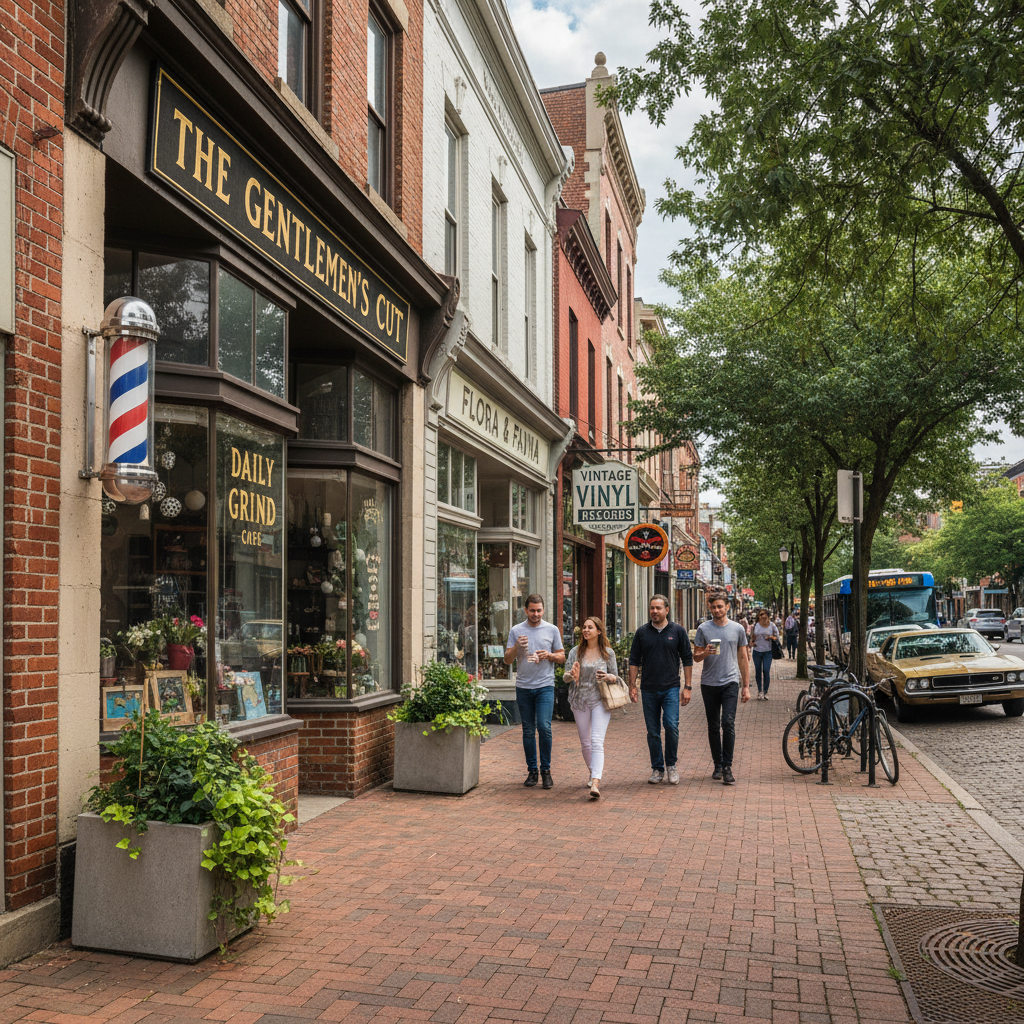
It hides behind familiar storefronts. Behind school parking lots. Behind the family choosing between electricity and dinner tonight.
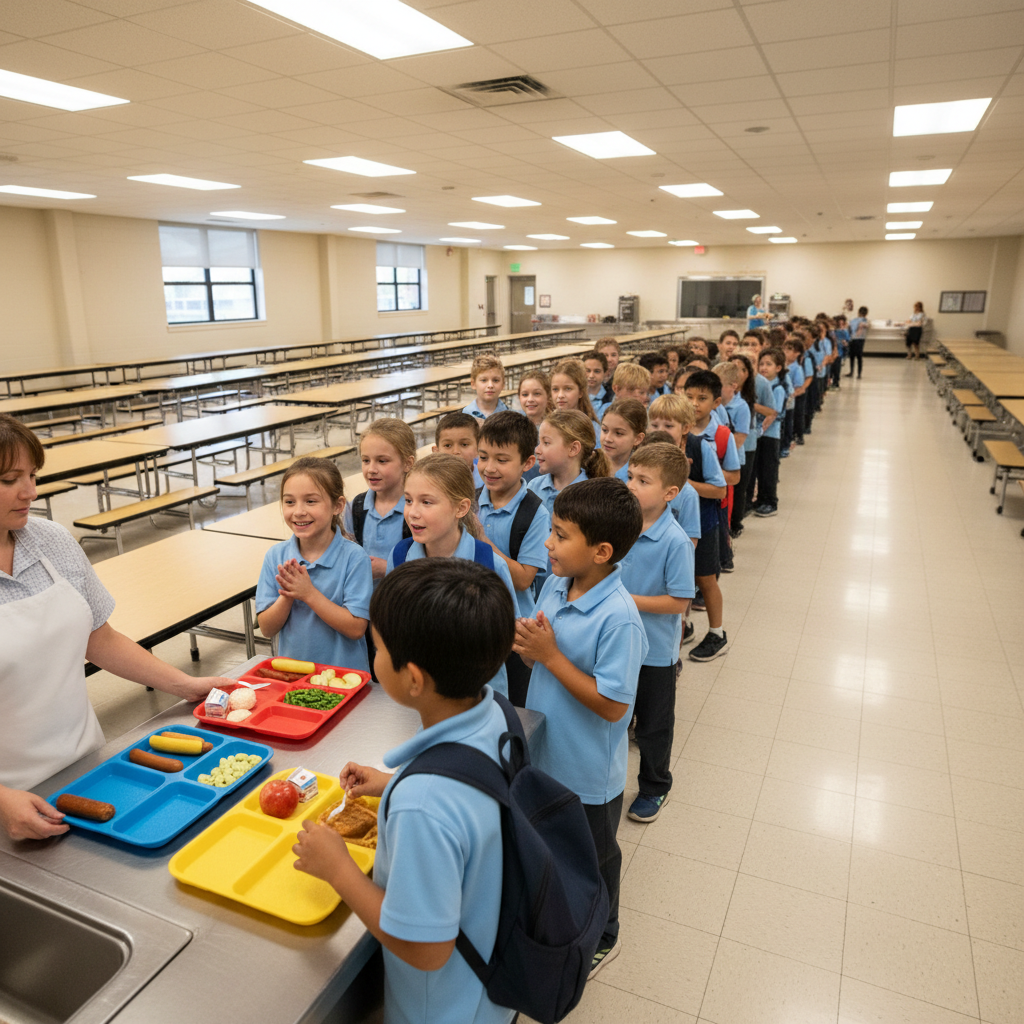
1 in 6 children on your block go to bed hungry.
The data doesn't lie.
Your ZIP code does.
These numbers aren't national abstractions. They describe the street where you buy coffee.
42M
Americans face food insecurity — more than the entire population of California.
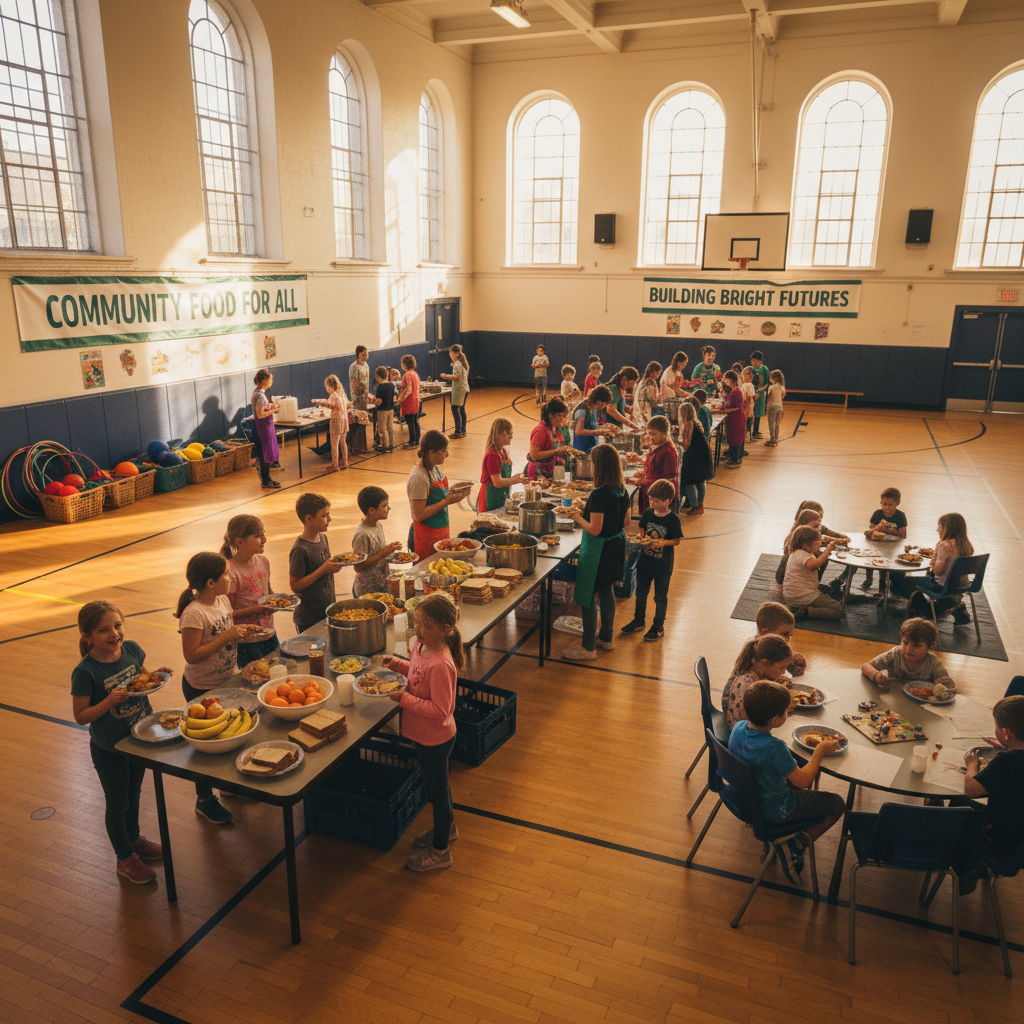
“Some days lunch is the only full meal.”
1 in 6
children in the U.S. are food insecure — in some ZIP codes, it's 1 in 3.
4.2 mi
Average distance to the nearest full-service grocery in a classified food desert.
60%
of food insecure households earn too much to qualify for SNAP but too little to cover groceries.
“The senior on the third floor splits a can of soup across two days so it lasts the week.”
— Neighborhood Organizer, East Side Community Coalition
19M
Americans live in food deserts. Most are in urban ZIP codes — not rural ones.
23%
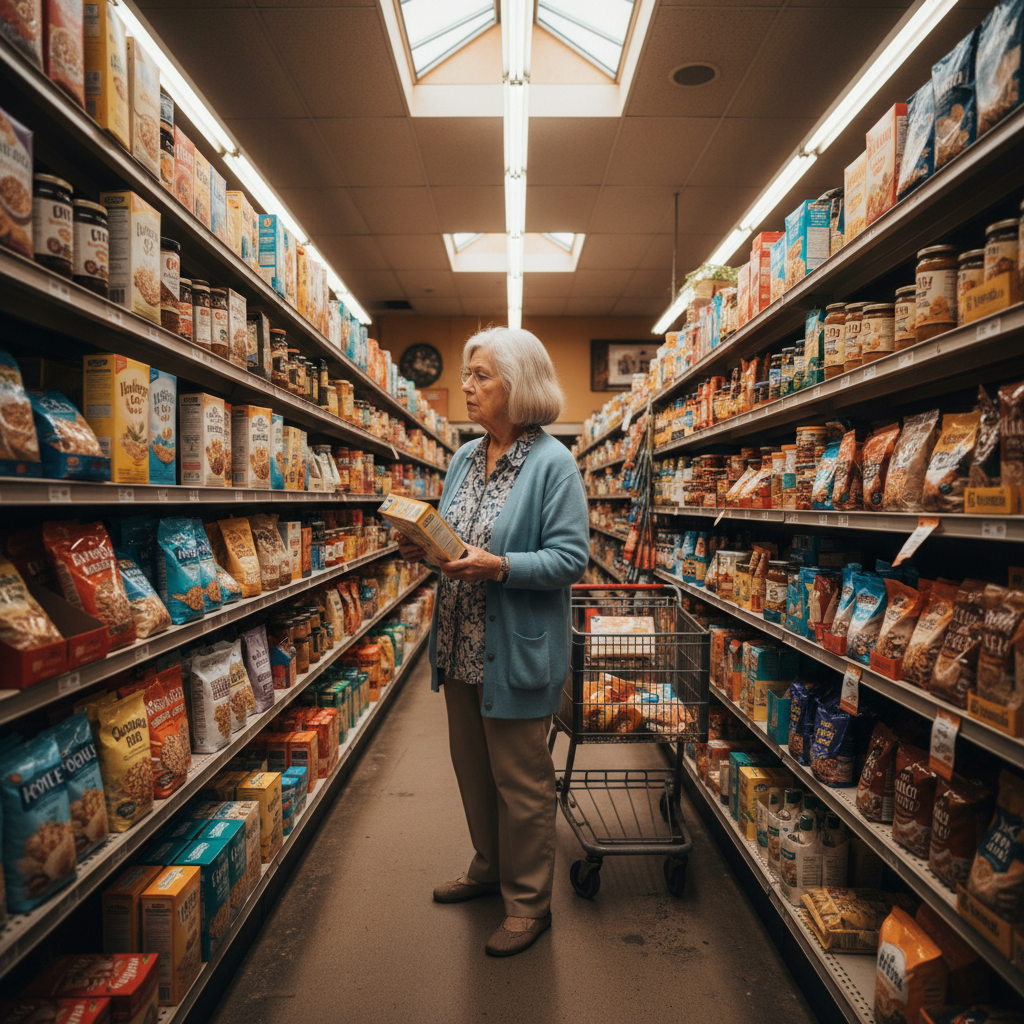
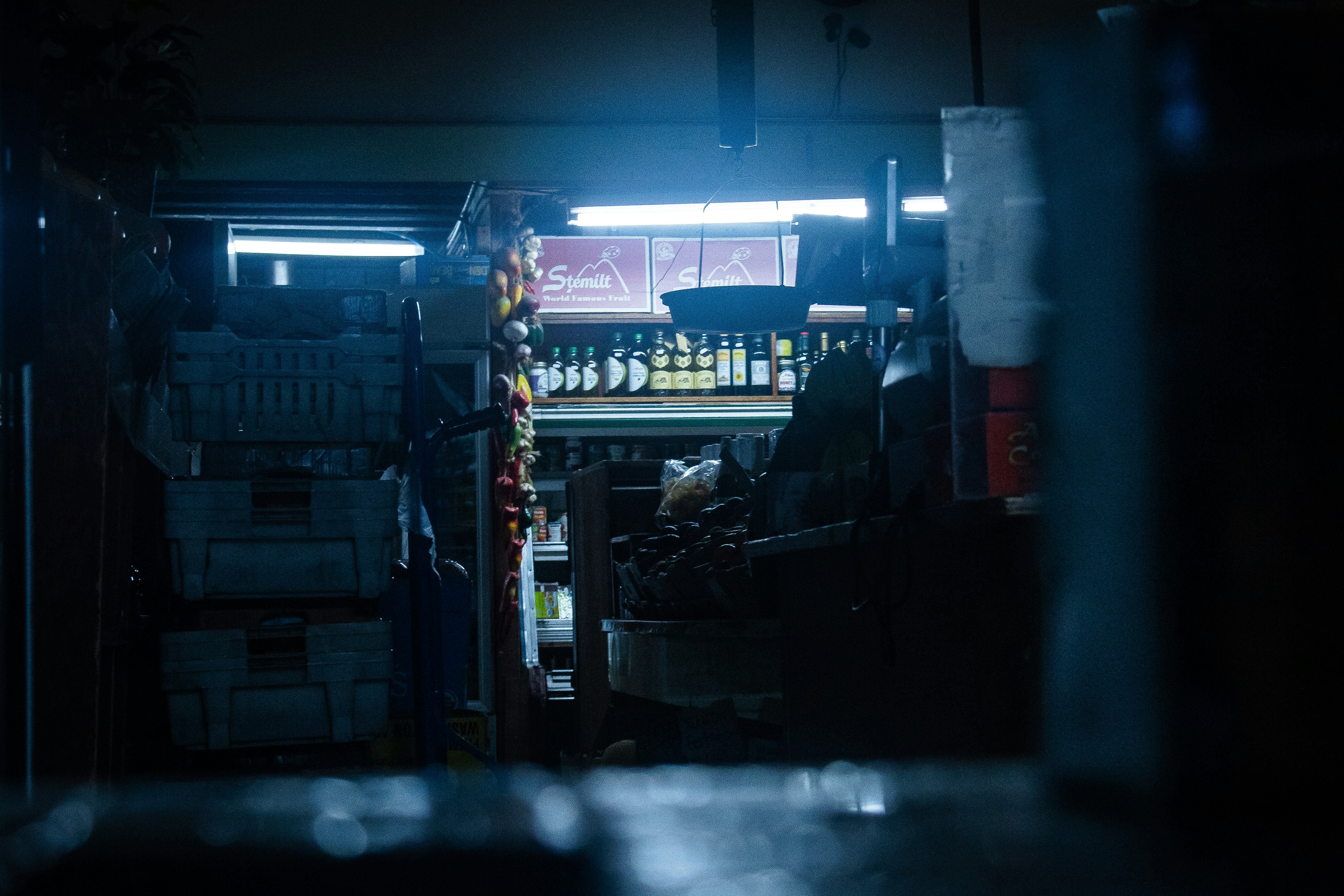
of corner stores carry zero fresh produce. The rest average 4 items.
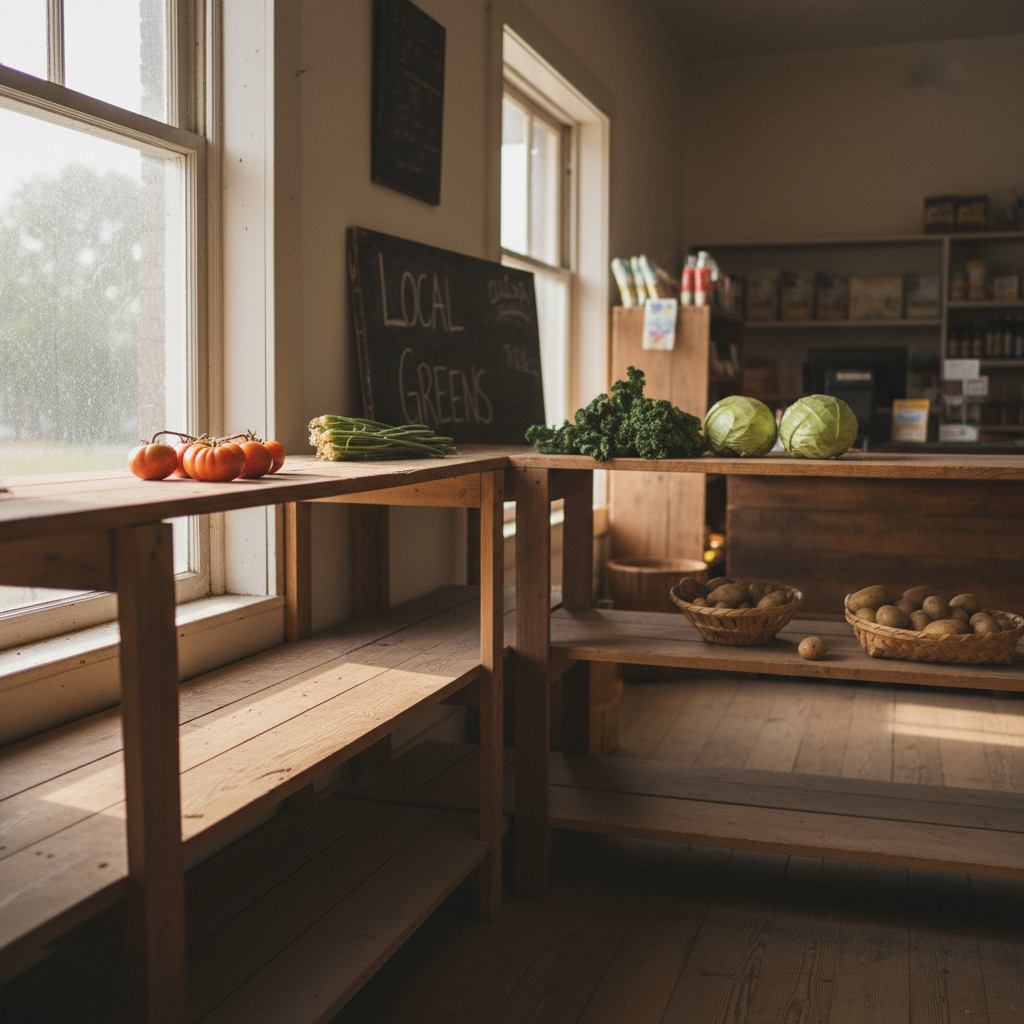
The store on the corner sells chips.
Not carrots.
In 1990, federal policy shifted grocery subsidies toward suburban developments. Within a decade, 40% of urban corner stores stopped stocking fresh produce — not because of demand, but because refrigeration rebates didn't apply to stores under 3,000 sq ft.
“Maria walks six blocks to the bus stop, rides 25 minutes, and carries two bags back. She does this twice a week because the store three doors down doesn't sell milk.”
“Food access is a transit issue. A zoning issue. A policy issue dressed in grocery bags.”
Download
Food Desert Map — Your County
PDF · 1.2 MB · Updated Jan 2026
Here's what happened
when the block organized.
In March 2024, residents of the 1400 block of Maple Avenue installed a Little Free Pantry outside the barbershop. Within 90 days, three more appeared on the same street. Within six months, a mutual aid network had formed around them — coordinating weekly grocery runs, produce donations from two local restaurants, and a monthly senior delivery program.
“We didn't wait for a grant. We started with a shelf and a sign.”
Friday Fridges
47 community fridges running in this city right now — stocked daily by neighbors.
Block Pantries
Little Free Pantries reduced emergency food calls by 31% on streets where they were installed.
Mutual Aid Networks
12 mutual aid groups in this metro coordinate over 800 weekly food deliveries.
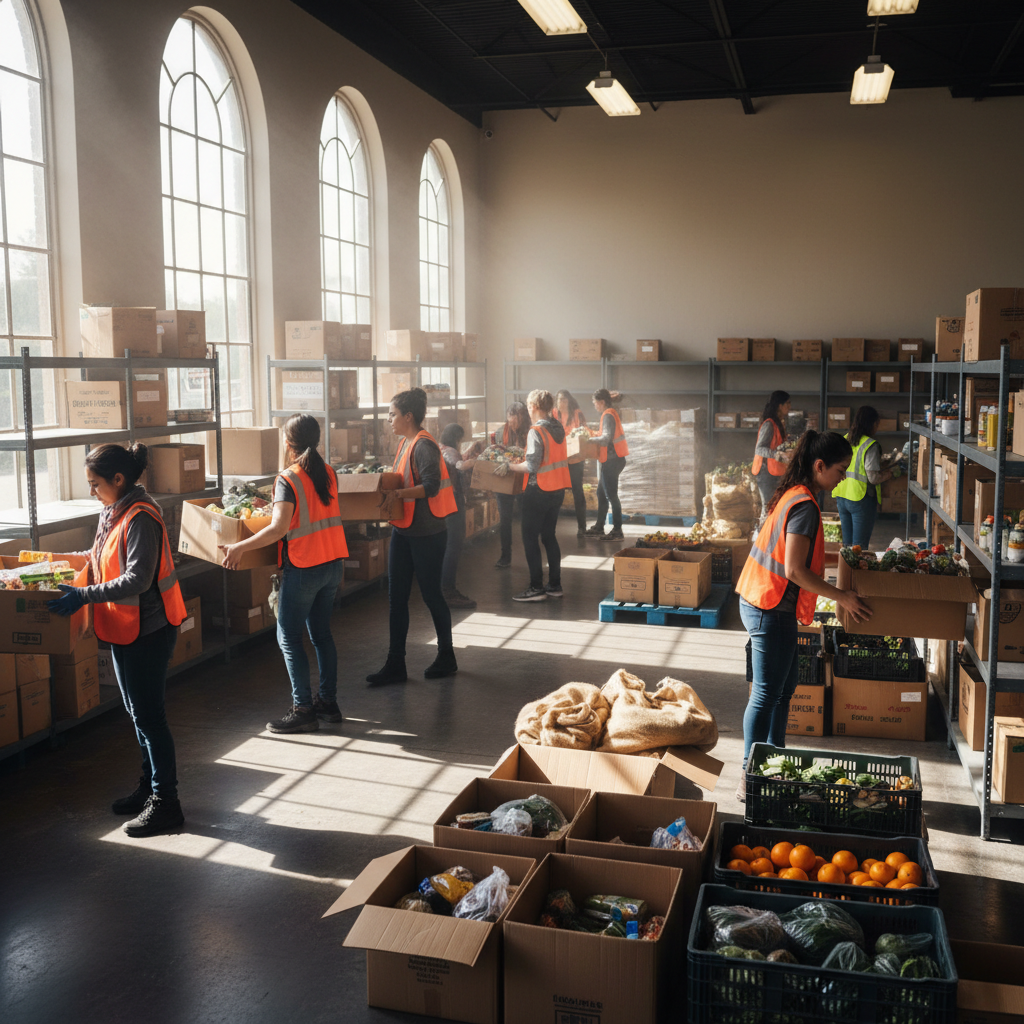
“Patricia, 74, hadn't eaten a fresh vegetable in three weeks. The pantry on her corner now gets restocked every Friday by the restaurant two blocks over. She brought them cookies to say thank you.”
Download Resource
How to Start a Block Pantry — Step-by-Step Guide
Take the neighborhood
home with you.
The Neighborhood Toolkit auto-customizes with food bank locations, mutual aid contacts, and printable maps specific to your ZIP code. No paywall. No pitch. Just tools.
Local Food Bank Directory
Every pantry, hours, and intake process within 5 miles of your ZIP.
Printable Block Map
Hand-drawn style map you can post in laundromats, schools, and barbershops.
Organizer's Playbook
12-page guide to starting a mutual aid network — from first conversation to first delivery.
Every ZIP code has a door
that's already open.
Enter your ZIP to find food pantries, community fridges, and mutual aid networks within walking distance.
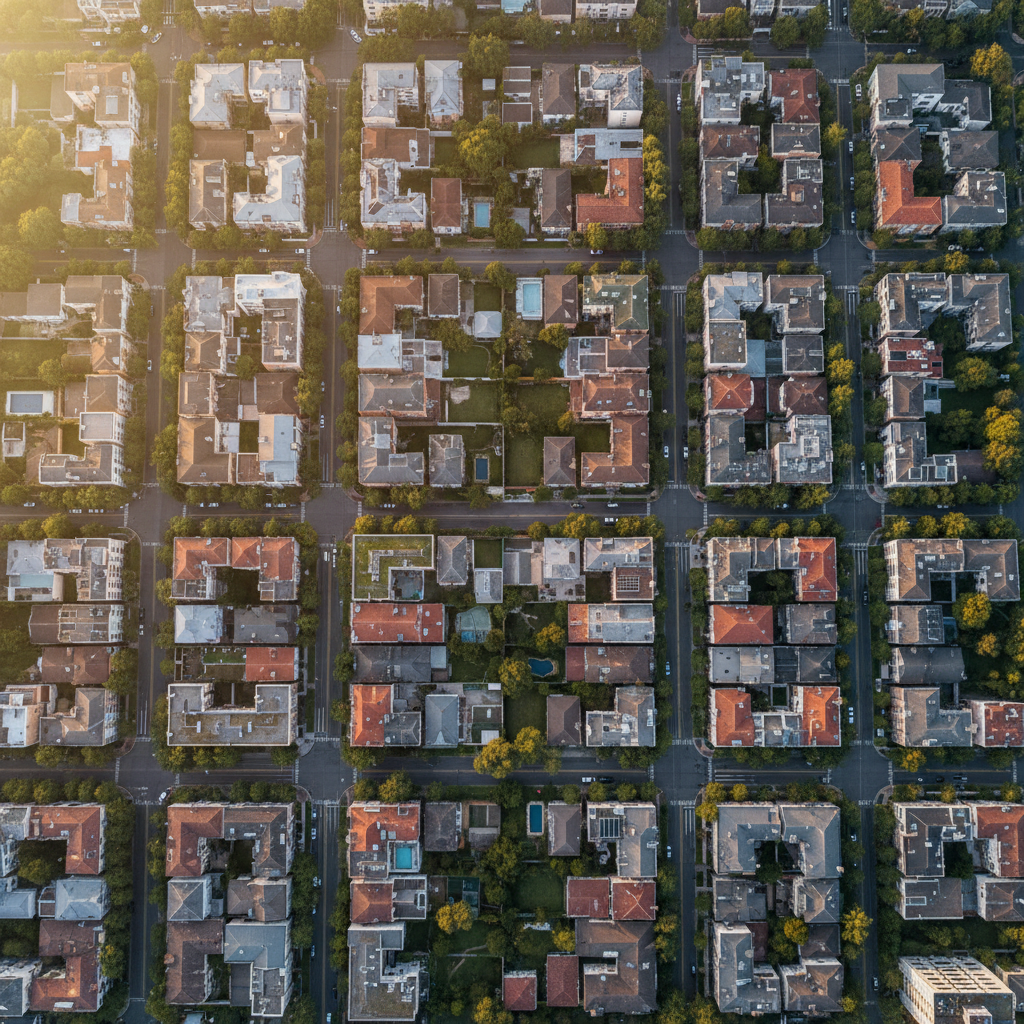
Every block has a neighbor who knows where the food is.
Neighbors who
already showed up.
“I found a pantry two blocks from my school through this tool. My students now know exactly where to send families who ask.”

Ms. Renata Okafor
Elementary School Teacher, District 7